Pagpinta ng Lexan RC body gamit ang isang airbrush ay isa sa mga pinakakapaki-pakinabang na kasanayan na maaaring mabuo ng isang RC hobbyist. Hindi tulad ng mga spray can, ang isang airbrush ay nagbibigay sa iyo ng buong utos sa saklaw, mga gradient, magagandang detalye, at layering ng kulay — lahat ay kritikal kapag nagtatrabaho sa manipis, nababaluktot na polycarbonate na materyal na bumubuo sa bawat shell ng Lexan. Ang resulta ay isang finish na mukhang propesyonal, humahawak sa pamamagitan ng karera at bashing, at nagpapakita ng iyong sariling malikhaing pananaw. Sinasaklaw ng gabay na ito ang lahat ng kailangan mong malaman, mula sa mga materyales na aktwal na gumagana sa Lexan hanggang sa hakbang-hakbang na proseso, mga advanced na epekto, at ang mga pagkakamali na sumisira sa mahusay na mga trabaho sa pintura.
Bakit Ang Airbrush ang Pinakamahusay na Tool para sa Pagpinta ng Lexan RC Body
Ang isang spray ay maaaring maghatid ng pintura sa isang nakapirming presyon at lapad ng fan, na nag-iiwan sa iyo ng limitadong kontrol sa kung paano inilalapat ang pintura sa mga contoured na ibabaw. Ang isang airbrush, sa kabilang banda, ay naglalagay ng kumpletong kontrol sa iyong mga kamay. Inaayos mo ang presyon ng hangin, ang daloy ng pintura, at ang distansya mula sa ibabaw anumang sandali sa panahon ng proseso. Sa isang Lexan RC body — kung saan ang mga panel ay kurbadang mahigpit, ang mga arko ng gulong ay nagwawalis papasok, at ang mga bintana ay dapat na maingat na iwasan — ang antas ng kontrol na iyon ay hindi lamang maginhawa, ito ay mahalaga.
Ang atomization na ginawa ng isang airbrush ay naglalagay din ng pintura sa sobrang manipis na mga layer. Napakahalaga nito sa Lexan dahil ang polycarbonate-compatible na pintura ay dapat manatiling flexible pagkatapos matuyo. Ang manipis, pantay na mga coat ay gumagaling nang pantay at bumabaluktot sa katawan sa panahon ng mga impact. Ang mabibigat at hindi pantay na mga coat ay nakakabit ng mga solvent, natuyo na may hindi pantay na texture sa ibabaw, at mas malamang na mag-crack o matuklap pagkatapos matamaan ang katawan sa track.
Higit pa sa teknikal na pagganap, ang airbrush ay nagbubukas ng mga visual na diskarte na sadyang hindi posible sa isang spray can. Ang makinis na kulay ay kumukupas, candy metallic effect, ghost flames, at razor-sharp masked graphics ay lahat ay makakamit sa pagsasanay. Ito ang mga finish na nakikita mo sa mga katawan ng kumpetisyon at nagpapakita ng mga kotse — at nagsisimula ang mga ito sa isang de-kalidad na airbrush at tamang pamamaraan.
Pagpili ng Tamang Pintura para sa Lexan Polycarbonate
Ito ang nag-iisang pinakamahalagang desisyon na gagawin mo bago hawakan ang isang airbrush sa iyong RC body. Ang Lexan ay polycarbonate plastic — isang napakatigas, materyal na lumalaban sa epekto na napakasensitibo din sa solvent attack. Maraming karaniwang mga pintura ang naglalaman ng mga solvent na may sapat na lakas upang masira, lumambot, o permanenteng ulap ang malinaw na shell. Kapag nangyari ito, ang pinsala ay hindi na maibabalik.
Dapat kang gumamit ng pintura na partikular na ginawa para sa polycarbonate o Lexan na mga ibabaw. Dinisenyo ang mga pinturang ito na may mga flexible binder at solvent na profile na nagbubuklod sa plastic nang hindi umaatake dito. Ang mga ito ay nananatiling pliable pagkatapos ng curing, ibig sabihin, sila ay magbaluktot kapag ang shell ay nabaluktot sa halip na pumutok. Ang mga karaniwang acrylic, enamel, at lacquers — kahit na may kalidad na mga produkto ng artist-grade — ay hindi angkop para sa interior ng isang Lexan RC body. Huwag matukso sa kanilang hanay ng kulay o punto ng presyo. Ang maling pintura ay mapupuksa sa loob ng ilang pamamasyal, kadalasan sa malalaking sheet.
Ang mga polycarbonate paint para sa paggamit ng RC ay may parehong spray can at bottled form. Para sa airbrush application, ang mga bottled na bersyon ay mainam dahil maaari silang payatin sa eksaktong lagkit mo airbrush nangangailangan ng karayom. Manipis hanggang sa isang pare-parehong katulad ng full-fat milk — sapat na likido upang dumaloy sa nozzle nang maayos, ngunit hindi masyadong natubigan kaya naghihirap ang density ng kulay. Palaging kalugin nang maigi ang bote bago gamitin at subukan ang iyong nipis na timpla sa isang piraso ng Lexan o karton bago ilagay sa katawan.
Mahahalagang Kagamitan at Setup
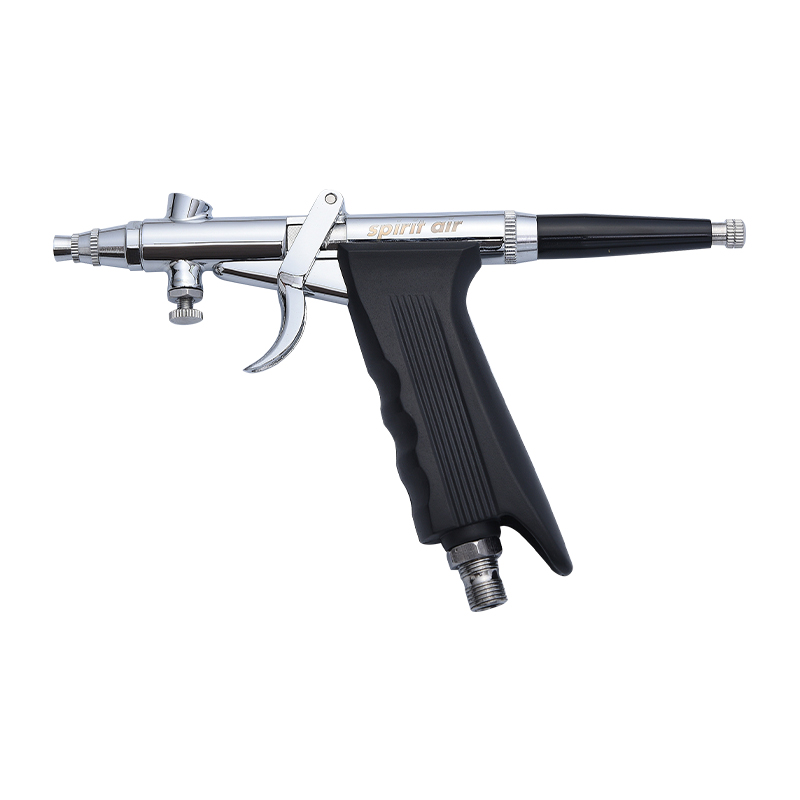
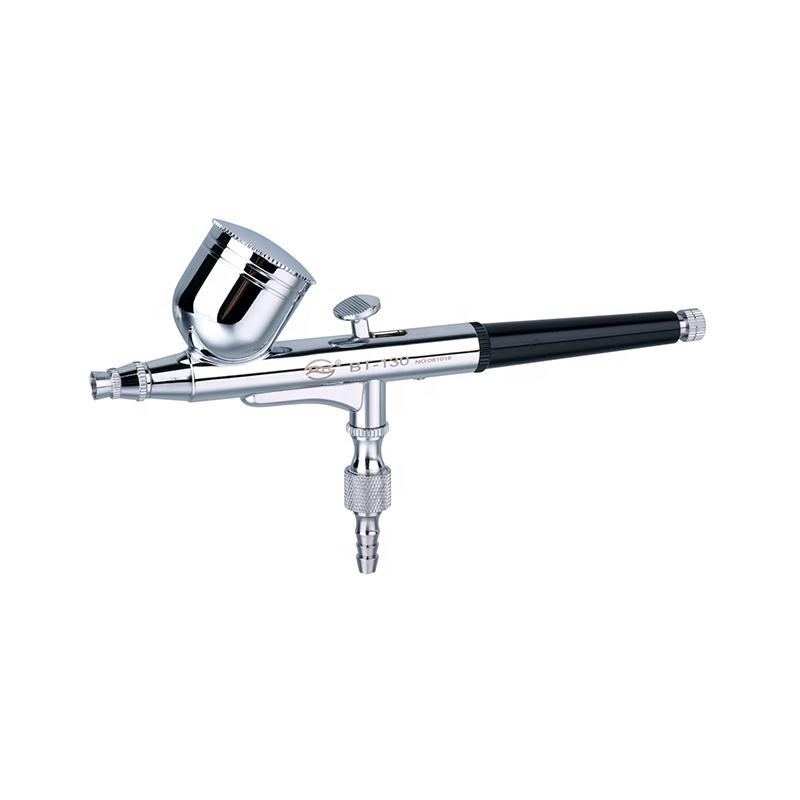
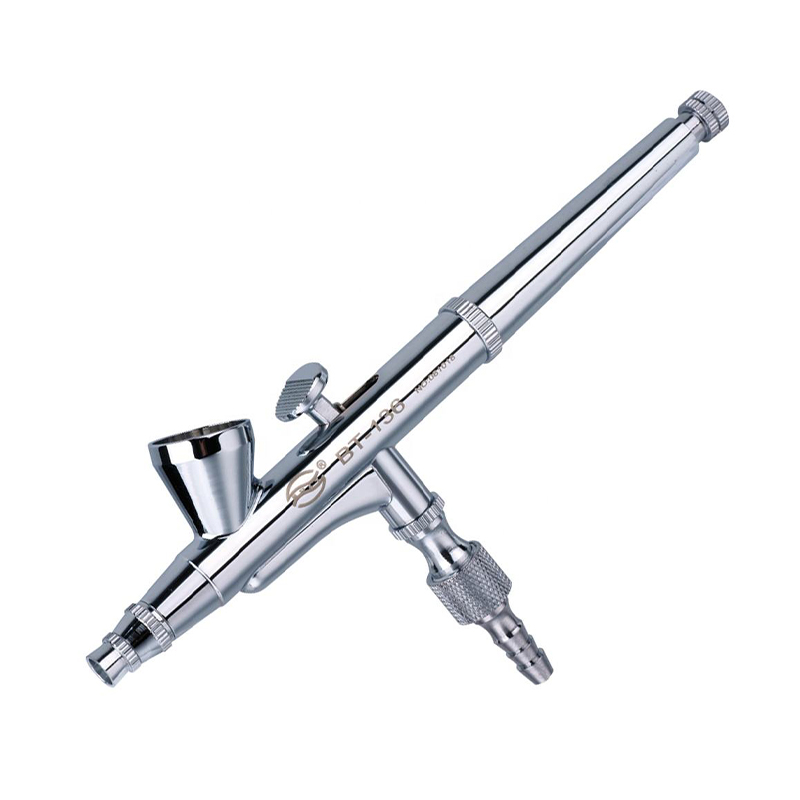
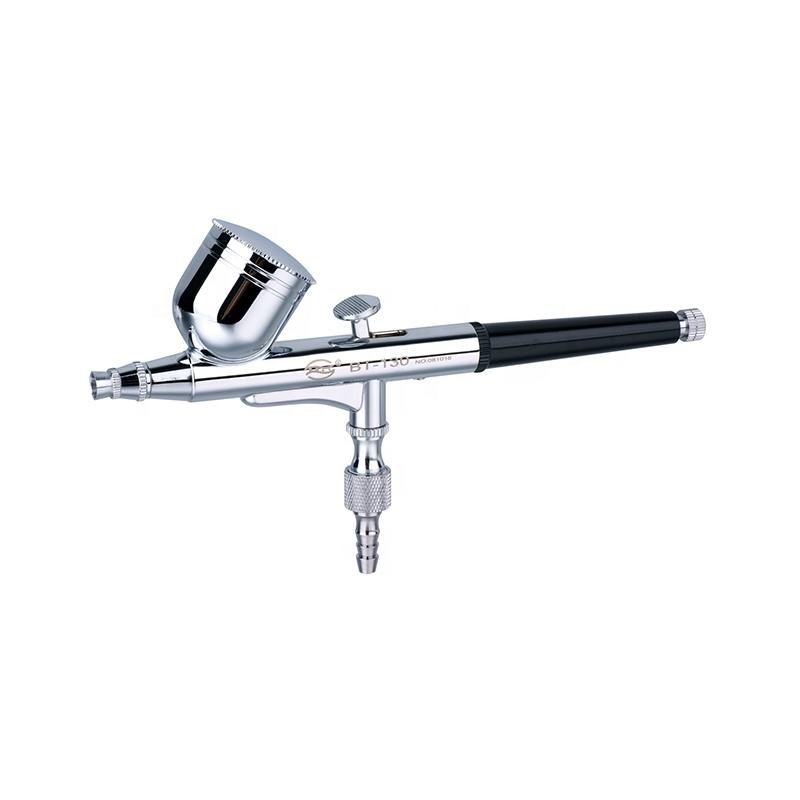
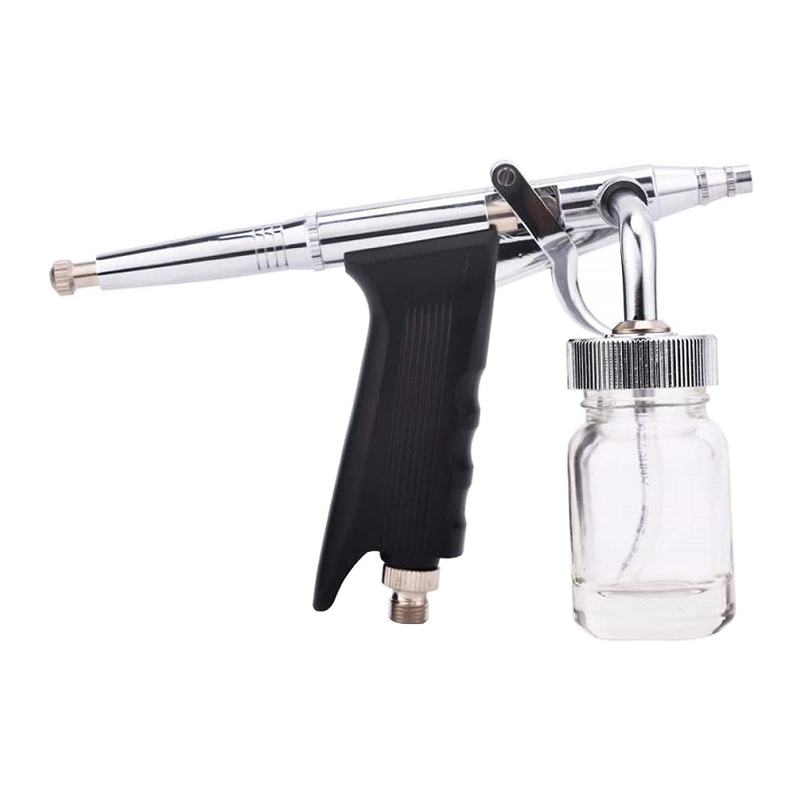
Ang airbrush mismo ay dapat na isang dual-action, gravity-feed na modelo. Ang ibig sabihin ng dual-action ay kinokontrol mo ang airflow at volume ng pintura gamit ang isang trigger — ang pagpindot pababa ay nagpapalabas ng hangin, ang pag-urong ay naglalabas ng pintura. Ang dalawang-axis na kontrol na ito ay nagbibigay-daan sa iyong mag-taper ng mga linya, maghalo ng mga gradient, at mag-iba-iba ng coverage nang hindi humihinto upang ayusin ang mga setting. Nakalagay ang mga gravity-feed cup sa ibabaw ng katawan ng airbrush, na nangangailangan ng mas kaunting air pressure upang hilahin ang pintura sa nozzle kumpara sa mga disenyo ng siphon-feed, na ginagawang mas mapagpatawad ang mga ito para sa mga nagsisimula at mas angkop para sa pinong detalye ng trabaho.
Ang laki ng karayom ay nakakaapekto sa hanay ng mga epekto na maaari mong gawin. Ang 0.3 mm na karayom ay ang pinaka-versatile na pagpipilian para sa RC body work — sapat na mahusay para sa mga linya ng detalye at matalim na mga gilid ng mask, ngunit may kakayahang masakop ang malalaking lugar nang mahusay kapag ang gatilyo ay ganap na hinila. Kung inaasahan mong magtrabaho lalo na sa maliliit na graphics at lettering, ang isang 0.2 mm na karayom ay nagbibigay ng mas mahigpit na kontrol. Para sa malalawak na basecoat o backing layer kung saan mahalaga ang bilis kaysa sa katumpakan, ang isang 0.5 mm na karayom ay lubos na nagpapabilis sa coverage.
Ang iyong compressor ay dapat maghatid ng matatag, walang langis na hangin. Ang pabagu-bagong presyon ay nagdudulot ng hindi pare-parehong atomization — nagbabago ang pattern ng spray sa kalagitnaan ng stroke, na nag-iiwan ng batik-batik, hindi pantay na saklaw. Ang isang maliit na compressor na may tangke ay nag-iimbak ng may presyon ng hangin at nagpapakinis ng mga pressure spike na mas mahusay kaysa sa isang tankless na modelo. Itakda ang iyong working pressure sa pagitan ng 15 at 25 PSI para sa karamihan ng mga gawain sa pagpipinta ng Lexan. Ang mas mataas na presyon ay nagdudulot ng overspray at orange-peel texture; ang mas mababang presyon ay maaaring magresulta sa splattering at hindi pantay na daloy ng pintura.
Higit pa sa airbrush at compressor, kakailanganin mo ng: isopropyl alcohol sa 90% na konsentrasyon o mas mataas para sa paghahanda at paglilinis sa ibabaw, low-tack masking tape para sa pagtukoy ng mga color zone, vinyl masking film para sa kumplikadong mga hugis, isang seleksyon ng mga bilog na toothpick o pinong brush para sa pagpindot sa maliliit na lugar, at backing paint — itim o puting polycarbonate na pintura sa labas na inilapat sa labas bilang ang iyong mga kulay na malinaw na panloob na layer upang gawing malinaw ang panloob na shell mula sa labas.
Ang Step-by-Step na Proseso ng Pagpipinta
Bago dumampi ang anumang pintura sa loob ng iyong katawan ng Lexan, dapat na ganap na malinis ang ibabaw. Ang mga bagong katawan ay nagmumula sa pabrika na may patong ng release agent na hindi nakikita ng mata ngunit sakuna para sa pagdirikit ng pintura. Punasan nang maigi ang bawat panloob na ibabaw gamit ang isang telang walang lint na basa na may isopropyl alcohol. Hayaang matuyo nang lubusan ang katawan — anumang natitirang kahalumigmigan o kontaminasyon ay magdudulot ng mga depekto sa fisheye at pagkabigo sa pagdirikit.
Ang pinakamahalagang pagbabago sa pag-iisip kapag nagpinta kay Lexan ay ang pag-unawa na ikaw ay nagtatrabaho nang baligtad. Dahil pininturahan mo ang loob ng malinaw na shell, ang unang kulay na ilalapat mo ay ang pinakamataas na layer kapag tiningnan mula sa labas. Nangangahulugan ito na dapat mong planuhin ang iyong buong scheme ng kulay sa reverse order: mauna ang mga detalye at magagandang graphics, pagkatapos ay ang mga kulay sa kalagitnaan, at huli ang background o base na kulay. Ang pagsusulat ng pagkakasunud-sunod na ito sa papel bago magsimula ay nakakatipid ng napakalaking pagkabigo sa ibang pagkakataon.
Sa iyong pagkakasunod-sunod na binalak, i-mask ang iyong disenyo gamit ang low-tack tape. Pindutin nang mahigpit ang lahat ng mga gilid ng mask laban sa panloob na ibabaw — kahit isang maliit na puwang ay nagbibigay-daan sa pintura na dumugo sa ilalim at makasira ng malinis na linya. Para sa mga hubog na seksyon, gupitin ang tape sa mas maikling mga segment na natural na sumusunod sa kurba sa halip na labanan ito. Ang likidong maskara na inilapat gamit ang isang brush ay mahusay na gumagana sa mga compound curve kung saan ang tape ay tumangging magsinungaling.
Simulan ang pag-airbrushing ng iyong unang layer ng kulay. Hawakan ang airbrush 8 hanggang 15 cm mula sa ibabaw, depende sa lapad ng spray na kailangan mo. Simulan ang bawat pass bago ang pininturahan na lugar at tapusin ang stroke pagkatapos nito — simula at pagtatapos ng iyong stroke sa target na lugar ay nagiging sanhi ng pagtatambak ng pintura sa mga gilid. Maglagay ng dalawa o tatlong light mist coat sa bawat kulay, na nagbibigay-daan sa lima hanggang sampung minuto ng flash-off time sa pagitan ng bawat coat. Ang kulay ay bubuo nang unti-unti at pantay. Labanan ang tukso na magkarga ng isang mabigat na amerikana upang makatipid ng oras; magreresulta ito sa pagtakbo at hindi pantay na pagkatuyo.
Alisin ang masking tape habang ang pintura ay medyo malagkit pa sa halip na ganap na gumaling. Ang paghila ng tape mula sa ganap na cured na polycarbonate na pintura ay nanganganib na maputol ang malinis na mga gilid, na nag-iiwan ng gulanit na hangganan sa pagitan ng mga kulay. Magtrabaho nang dahan-dahan at hilahin ang tape pabalik sa sarili nito sa isang mababaw na anggulo sa halip na tuwid. Kapag kumpleto na ang lahat ng mga layer ng kulay at naalis na ang mga maskara, ilapat ang iyong backing coat sa buong interior. Pina-maximize ng puting backing ang liwanag ng kulay at pinakamahusay na gumagana sa ilalim ng maliwanag o transparent na mga kulay. Ang itim na backing ay nagbibigay sa mga kulay ng mas malalim, mas magandang hitsura at perpekto sa ilalim ng madilim o opaque na mga scheme. Hayaang gumaling ang natapos na katawan sa temperatura ng silid nang buong 24 na oras bago ito i-mount, at iwasang ilantad ito sa tubig o fuel contact sa unang 48 hanggang 72 oras.
Sanggunian ng Mga Setting ng Airbrush para sa Iba't ibang Gawain
| Gawain | Sukat ng karayom | Presyon (PSI) | Distansya mula sa Ibabaw | Kailangan ng mga coat |
|---|---|---|---|---|
| Mga linya at titik ng pinong detalye | 0.2–0.3 mm | 12–18 | 3–6 cm | 2–3 |
| Punan ng color zone | 0.3–0.5 mm | 15–22 | 8–12 cm | 2–3 |
| Makinis na fade at gradients | 0.3–0.4 mm | 15–20 | 10–15 cm | 3–5 light pass |
| Kulay ng kendi sa ibabaw ng metal | 0.3–0.5 mm | 15–20 | 10–12 cm | 3–5 |
| Full interior backing coat | 0.5 mm | 20–25 | 12–18 cm | 2 |
Mga Advanced na Teknik: Pagkupas, Mga Kulay ng Candy, at Ghost Effect
Kulay Fades at Gradients
Ang isang makinis na pagkupas ng kulay — kung minsan ay tinatawag na ombre o gradient — ay isa sa mga pinaka hinahangad na epekto sa mga RC body at isa sa mga pinakamalinaw na palatandaan ng airbrush kasanayan. Magsimula sa pamamagitan ng paglalagay ng lighter ng iyong dalawang kulay sa buong lugar kung saan lalabas ang fade. Kapag tuyo na, ipakilala ang mas madidilim na kulay simula sa gilid kung saan ito magiging pinaka-puspos. Gumamit ng pinababang trigger pull at mabagal, magkakapatong na side-to-side stroke, unti-unting umaabot sa lighter zone ng ilang sentimetro sa bawat pass. Ang susi ay ang pagpapanatiling patuloy na gumagalaw ang airbrush — ang pag-pause sa anumang punto ay lumilikha ng nakikitang matigas na linya. Sanayin ang paggalaw na ito sa isang ekstrang sheet ng Lexan hanggang sa makaramdam ng tuluy-tuloy ang paglipat bago ito subukan sa iyong natapos na katawan.
Mga Kulay ng Candy at Metallic Effect
Ang mga natapos na kendi ay gumagawa ng malalim, maliwanag na kulay na may halos tatlong-dimensional na kalidad. Ang epekto ay umaasa sa isang metal na base - karaniwang pilak o ginto - kung saan ang isang transparent na tinted na kulay ng kendi ay inilalapat sa maraming manipis na layer. Dahil nagpinta ka sa loob ng isang malinaw na shell ng Lexan, ang transparent na layer ng kendi ay mababasa sa mismong shell, na nagdaragdag ng dagdag na dimensyon ng lalim. Ilapat muna ang metal na base coat at hayaang matuyo nang lubusan. Pagkatapos ay ambon ang kulay ng kendi sa ibabaw nito sa tatlo hanggang limang pass, unti-unting buuin ang saturation. Ang mas maraming pass ay nagbubunga ng mas madidilim, mas magandang tono; Ang mas kaunting mga pass ay nagpapanatili ng metallic sparkle na mas nakikita sa ilalim.
Mga Ghost Pattern at Panel Line
Ang mga epekto ng multo — mga banayad na pagkakaiba-iba ng tonal sa parehong pamilya ng kulay na lumilikha ng impresyon ng lalim o texture — ay nakakamit sa pamamagitan ng bahagyang pagbabawas ng presyon ng hangin at paglalagay ng semi-transparent na layer ng malapit na nauugnay na lilim sa ibabaw ng tuyo na base. Para sa mga linya ng panel at body contour accent, gumamit ng 0.2 mm na karayom sa mababang presyon at subaybayan ang mga nakamaskara na gilid upang lumikha ng mga epekto ng anino. Ang mga detalyeng ito ay hindi nakikita sa layo ng karera ngunit kapansin-pansing nagpapabuti sa visual na epekto ng katawan nang malapitan, na nagbibigay ito ng hitsura ng isang scale na kotse sa halip na isang laruan.
Mga Karaniwang Pagkakamali at Paano Itama ang mga Ito
Nilaktawan ang paghahanda sa ibabaw ay ang pinakakaraniwang dahilan kung bakit nabigo ang pintura sa mga katawan ng Lexan. Ang mga factory release agent, fingerprint, at alikabok ay lahat ay gumagawa ng mga hadlang sa pagitan ng pintura at ng polycarbonate na ibabaw. Kahit na ang pintura ay tila nakadikit sa simula, ito ay tatatak sa mga sheet kapag ang katawan ay nabaluktot o naapektuhan. Palaging linisin gamit ang isopropyl alcohol at hayaang matuyo nang lubusan ang ibabaw bago maglagay ng anumang pintura.
Pagpinta sa maling pagkakasunod-sunod ay isang pagkakamali na hindi na maaayos pagkatapos ng katotohanan. Kung napagtanto mong inilapat mo ang kulay ng iyong background bago ang iyong mga detalye ng graphics, ang tanging solusyon ay ang maghintay na matuyo ang pintura at pagkatapos ay maingat na kiskisan ito gamit ang isang malambot na plastic scraper at isopropyl alcohol bago magsimulang muli. Ang pag-iwas sa error na ito gamit ang isang nakasulat na plano bago ka magsimula ay mas madali kaysa sa pagwawasto nito sa ibang pagkakataon.
Ang paglalagay ng pintura ay masyadong makapal sa isang amerikana bitag ang mga solvent sa ilalim ng ibabaw, na nagiging sanhi ng pagbubula, isang magaspang na orange-peel texture, at napakatagal na oras ng pagpapatuyo. Kung napansin mo na ang iyong pintura ay pinagsama o tumatakbo, huminto kaagad, hayaang matuyo ang amerikana, at buhangin nang bahagya gamit ang napakapinong papel de liha bago magpatuloy sa mas magaan na mga coat.
Hayaan ang pintura na ganap na gumaling bago alisin ang mga maskara humahantong sa mga tinadtad na gilid kung saan ang pintura ay nakadikit sa Lexan at sa tape. Ang pinakamainam na window ng pag-alis ay kapag ang pintura ay tuyo sa pagpindot ngunit mayroon pa ring bahagyang flexibility — karaniwang 20 hanggang 40 minuto pagkatapos ng huling coat, depende sa temperatura at halumigmig. Kung hinayaan mo na itong matuyo nang lubusan, painitin nang bahagya ang gilid ng tape gamit ang heat gun sa mababang setting bago hilahin, na sapat na nagpapalambot sa pintura upang matanggal nang malinis.
Paggamit ng maling panlinis na solvents upang itama ang mga pagkakamali ay maaaring magdulot ng hindi maibabalik na pinsala. Ang acetone at lacquer thinner ay permanenteng magnanasa sa polycarbonate. Para sa pag-alis ng mga basang error sa pintura, gumamit ng isopropyl alcohol na inilapat nang mabuti gamit ang cotton swab. Para sa pinatuyong polycarbonate na pintura, ang isang malambot na plastic scraper ay mas ligtas kaysa sa mga solvent para sa malalaking lugar. Matiyagang magtrabaho sa maliliit na seksyon upang maiwasan ang pagkasira ng mga nakapaligid na lugar.
Pangangalaga sa Iyong Pinintahang Lexan RC Body
Ang isang mahusay na naisagawa na airbrush paint job sa isang Lexan body ay matibay, ngunit ito ay nakikinabang mula sa ilang pangunahing kasanayan sa pangangalaga. Sa pagitan ng mga sesyon ng karera, banlawan ng malinis na tubig ang panlabas na bahagi ng katawan upang maalis ang dumi, putik, at anumang nalalabi sa gasolina bago ito magkaroon ng oras upang pababain ang malinaw na polycarbonate shell. Iwasang kuskusin ang panlabas gamit ang mga nakasasakit na tela o malupit na kemikal na panlinis, dahil ang mga ito ay makakamot sa panlabas na ibabaw at unti-unting mababawasan ang visual clarity ng shell.
Itago ang iyong mga katawan nang patag o nakabitin nang patayo mula sa isang kawit sa halip na nakasalansan, na maaaring magdulot ng mga pressure point at pagbaluktot sa shell sa paglipas ng panahon. Ilayo ang mga ito sa direktang sikat ng araw kapag hindi ginagamit — ang matagal na pagkakalantad sa UV ay nagpapadilaw ng polycarbonate at kumukupas ng mas matingkad na mga kulay ng pintura na nakikita sa shell. Kung ang iyong katawan ay nagkaroon ng malaking pinsala sa malinaw na panlabas na ibabaw, ang pintura sa loob ay buo pa rin at maaaring ilipat sa isang bagong malinaw na shell ng parehong modelo kung magagamit, na nakakatipid sa iyo ng oras ng muling pagpipinta.
Ang pag-aayos ng touch-up sa interior ay posible sa maingat na pamamaraan. Linisin ang lugar sa paligid ng pinsala gamit ang isopropyl alcohol, lagyan ng sariwang polycarbonate na pintura na may pinong brush o sa pamamagitan ng maingat na pag-airbrushing sa pamamagitan ng isang maliit na maskara, pagkatapos ay ihalo ang pagkumpuni gamit ang isang light mist coat sa paligid. Ang isang puting backing coat ay mahalaga kahit na para sa maliliit na touch-up — ang paglaktaw nito ay mag-iiwan sa naayos na lugar na kapansin-pansing naiiba sa density mula sa iba pang bahagi ng katawan kapag tiningnan sa maliwanag na liwanag.